Six or more / Tabletop Tonight
The big table: six players and up
At a big table, the question is often who gets to take part between their own turns.
By Tabletop Tonight
Six or seven: give everyone the same goal
Just One suits a group that wants to contribute toward one word together. Check that everyone can read the card language, and model the duplicate-clue rule before anyone is put on the spot. The publisher caps the game at seven.
Eight: decide between teams and individual scores
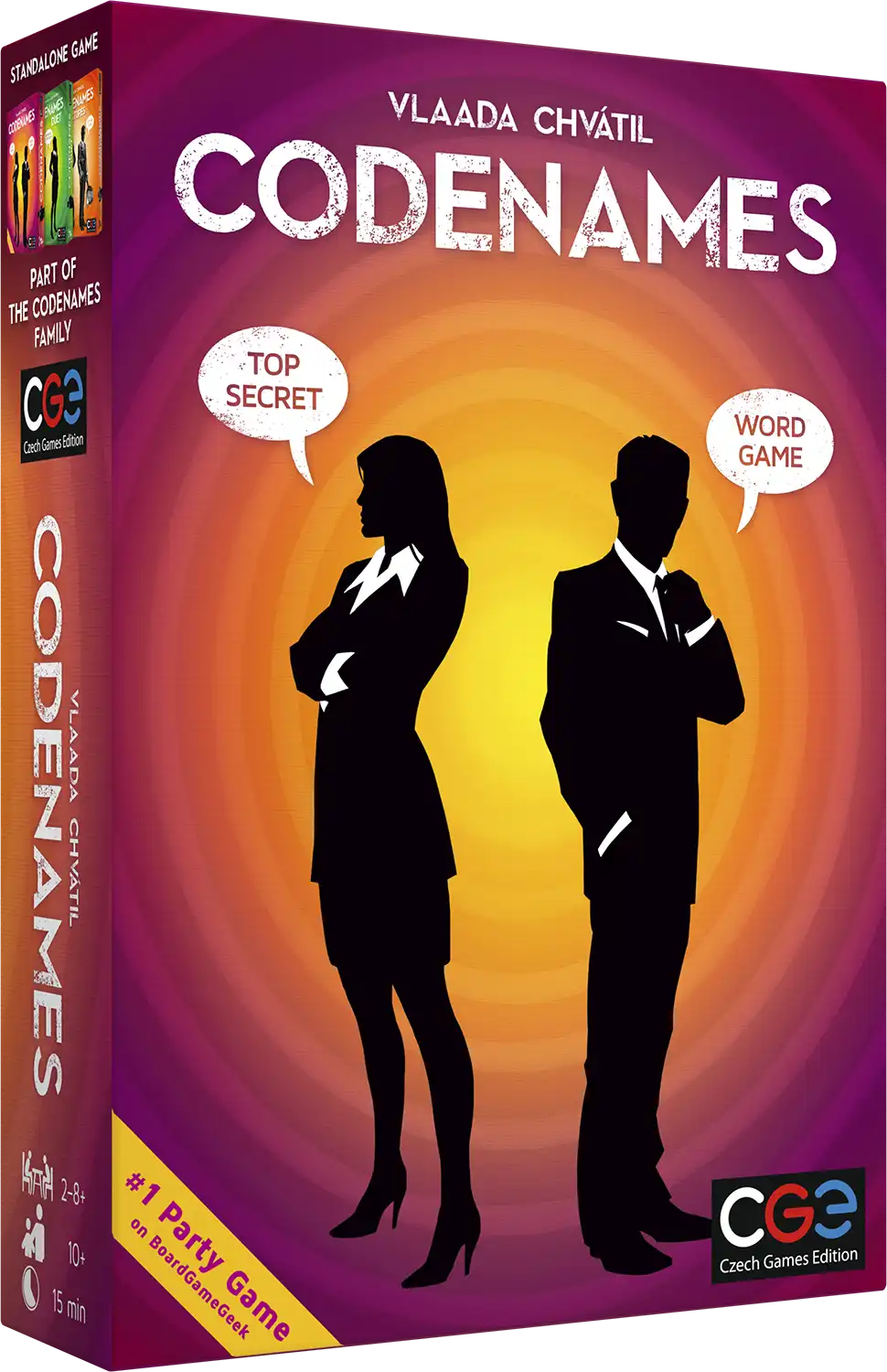
Lay out Codenames if both teams can see the same grid. Try Sushi Go Party: Chef’s Special if you prefer passing hands around and keeping individual scores. Set aside more host prep for choosing the menu and walking through what each card scores.
Nine or more: check sightlines and backups
Codenames is the only game in this shortlist whose publisher includes an open-ended upper count. Ask whether both teams can hear clues and read every card. If the room is too wide or loud, offer two smaller tables and give guests a choice.
Use the count for the edition in front of you
The Just One publisher lists three to seven players; Gamewright lists two to eight for Sushi Go Party: Chef’s Special. At eight, the latter fits its published range, while a group of seven can consider either. Check the exact box and language before relying on a different edition’s range.
Plan for a late arrival
Keep one spare activity and a natural pause in mind. At seven, a late eighth guest changes which boxes fit the full group. Invite the group to choose between waiting for a round to finish and splitting into smaller tables; do not ask someone to sit out without agreement.